Ginger Processing Demystified: A Comprehensive Overview

Ginger has a unique flavour and offers several health benefits. It has become a staple in kitchens. This item undergoes several steps in a ginger processing plant. But most of us aren’t aware of these phases that transform raw ginger into our preferred spice.

What are the Steps in Ginger Processing?

Ginger Processing Machine

The steps in ginger refinement are listed below:

  • Harvesting and selection: The ginger treatment journey starts in the fields. The farmers harvest the roots, and they evaluate the roots for quality. The finest ginger makes its entry into the processing facility. It ensures that the consumer receives a product of good quality.
  • Cleaning and washing: When the roots arrive at the facility, the professionals remove debris, soil, or outer cling from these roots. Generally, the experts use rotating brushes and high-pressure water jets to perform the task. It guarantees that the ginger is pristine and ready for further steps.
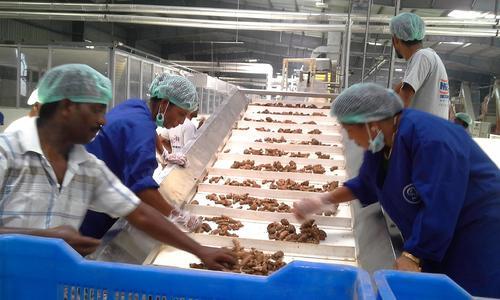
  • Peeling: The ginger goes through a peeling process after cleaning. This step separates the outer layer while exposing the aromatic flesh. Professionals apply various methods, such as mechanical peeling or steam peeling, to remove the skin and minimise waste.
  • Slicing: The ginger takes different forms as per the end product requirements. This phase is necessary for determining the appearance and final texture of the processed ginger.
  • Blanching: The main purpose of blanching is to preserve the ginger’s natural flavour, colour, and nutritional value. This step involves immersing the ginger in hot water, accompanied by rapid cooling. Blanching deactivates enzymes that lead to loss of flavour and discolouration.
  • Drying: It is the most critical step in ginger processing. Drying obstructs the growth of microorganisms and removes moisture. The professionals can air dry the ginger or use certain accessories to accomplish the process. It results in a concentrated form of ginger perfect for distribution and packaging.
  • Packaging and quality control: The final processed ginger undergoes rigorous quality control measures. It guarantees consistency and adherence to industry standards. The professionals pack the ginger in various forms after the quality test.

Ranging from the fields to high-end treatment facilities, it’s important to appreciate the intricate journey of ginger. Every step in ginger processing contributes to the creation of a culinary masterpiece.

Are you looking for a high-quality ginger processing plant to address your industrial needs? If you feel so, GEM Foodtech will be your ultimate destination.

Quality Control in Mango Processing: Why Is It Important?

When you have a mango processing plant, you have to undertake quality control measures. By embracing adequate quality control measures, you ensure the mangoes adhere to food safety measures and cater to customer satisfaction. With these tactics, you safeguard the distinctive freshness and taste of mangoes. Nowadays, quality control for mangoes as stakeholders focuses on revenue maximisation while minimising waste at the same time.

Common Mango Issues in Quality Management

Given below are the common mango defects that impact mango quality across the supply chain:

  1. Pests like fruit flies and hoppers
  2. Mango mealybugs
  3. Powdery mildew
  4. Mango Malformation Disease (MMD)
  5. Mango scab
  6. Bacterial black spot
  7. Internal necrosis

What are the Quality Assessment Attributes for Mangoes?

Quality control for mangoes encompasses multiple internal and external attributes, as listed below:

  1. Internal colour
  2. Firmness
  3. Shape and size
  4. Brix degree (sugar content)

What’s the Significance of Quality Control in Mango Processing?

There are multiple elements that justify the quality control approach in mango processing. Let’s have a look:

  • Food Safety: By undertaking strong quality control measures, you ensure the mangoes are free of all kinds of contaminants and comply with food safety regulations. Also, processed mangoes have a unique flavour that addresses the preferences of customers.
  • Enhanced Product Quality: When you implement quality control measures in mango processing, you can be assured that the mangoes will meet the desired quality standards. These mangoes will have a unique flavour and taste. Hence, customers can expect a delightful taste, whether it’s mango beverages or canned mango slices.
  • Minimises Wastage: With quality control measures, you can identify the inconsistencies in the mango processing stage. If you address these problems quickly, you can hope for optimum yield from each batch. It promotes sustainable practices and reduces economic losses.
  • Increased Customer Satisfaction: Processed mangoes are of good quality and lead to higher customer satisfaction. By delivering top-notch mango products, your mango processing plant will gain reputation, and it will help to fortify your brand.

Are you searching for a reputed plant that has an excellent mango pulps processing line? If you feel so, GEM Foodtech will be your ultimate destination. Our professionals possess years of experience in mango processing and have in-depth knowledge of the relevant techniques. So, what are you thinking about? Connect with Us!

The Ultimate Guide to Mango Pulp Processing: Everything You Need to Know

Mango pulp is a smooth substance manufactured by breaking up the fibrous sections of ripe mangoes. The mango pulp retains all the sweetness along with the nutrients in the fresh fruit. Mango pulp is made from ripe mangoes after sorting. A mango pulps processing line serves this purpose. This equipment simplifies the pulp extraction process.

What is Mango Pulp Processing?

Mango pulp processing creates various products like mango pulp, dried mango, and mango juice. Mango pulping is the most effective method for high nutrition retention, high yield, and a simple process. The mango pulp making machine executes the mango pulping process precisely.

Steps Involved in Mango Pulp Processing

Mango pulp processing involves the following steps:

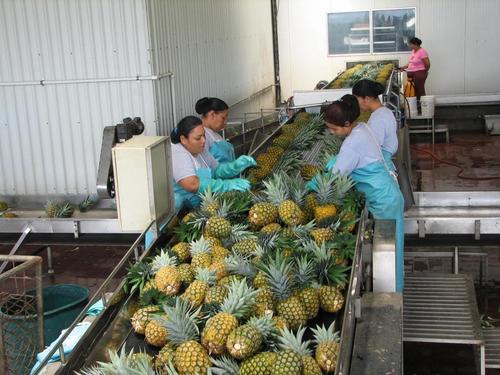
  • Raw material treatment: In this method, a fruit sorting mechanism separates qualified, superior, and defective mangoes. When it comes to making mango pulp, the acid content must be around 1%.
  • Mango peeling: Before mango pulping, the removal of the peel is a must. The blend of mango core and peel will affect the taste of mango pulp.
  • Mango pulping: The mango pulping machine processes the mangoes into fluid form. This machine comes with an enclosed structure to combat mango pulp oxidation.
  • Mango pulp precook: The crude mango pulp requires heating to soften the content. It will also promote the taste of the mango pulp. However, before heating the mango pulp, make sure to clean the tools. When you pour the mango pulp into the bottle or container, stir it so that the pectin leaks out entirely.
  • Batching: Thereafter, the professionals add the mango pulp with a certain proportion of batches. The calculation of the amount of acid and fruit pectin is dependent on the raw materials. If the volume of pectin is low, it will increase the acid content.
  • Concentration: This step aims to eliminate the water content in mango pulp by heating the mango pulp. The objective of sweetening concentration is to improve the pulp flavour and texture.
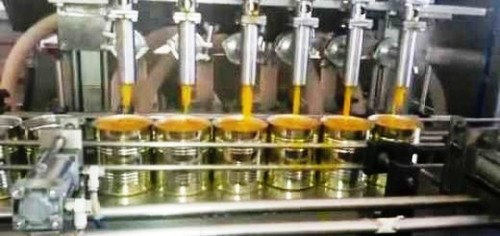
  • Filling sterilisation and cooling: The concentrated mango pulp is filled into cans. While filling the container, make sure it is clean, sterilised, and free of moisture.

Are you looking for a highly functional mango pulp processing line? If you feel so, Gem Foodtech has the machinery to address your particular needs. Reach out to our professionals and state your requirements. We will design and manufacture a mango pulp machine that facilitates your industrial processes at large.

The Method of Preparing Tomato Paste using Tomato Processing Plant

The main two tomato processed products are Tomato puree and tomato paste. These two primary tomato-processed products pave the way for all the secondary tomato-based products. The ketchup industry is the primary consumer of tomato puree and paste. Moreover, the food and beverage industry also comprises the other major consumers of tomato paste and puree. 

In this blog, we will examine how tomato paste is processed in a tomato processing plant.

Processing Varieties of Tomato in Tomato Paste

The foremost varieties of tomatoes preferred for paste are Abhinav and Namdari. These two make up 90% of the processing. However, there are other varieties like Rashmi, Vaishali, and Rupali. The southern varieties are usually preferred for processing purposes.

Buy Premium Quality Tomato Processing Machinery.

The Method of Processing Tomato Paste

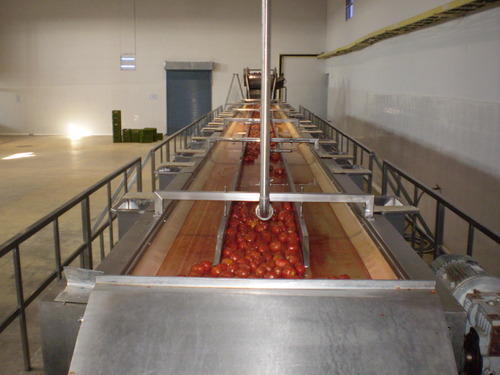
The best assortment of tomatoes is picked for the processing method. To this end, the ripened tomatoes are collected in a factory and rigorous quality control is conducted. The fruits are sorted, and the injured or spoiled fruits are separated from the fresh bunch. The fresh fruits are then collected and filled in crates. The process begins with washing tomatoes with chlorinated water at 5-10 ppm. Afterwards, they wash with plain water to minutely remove dust particles. 

The tomatoes are crushed into pulp and collected in a storage tank in the next stage. Heat is applied at 85-95 degrees Celcius to the puree as it is further refined to remove seed/tomato waste. The product is made to pass through an evaporator to purge the water content. However, there might be a small remainder of impurities in the paste. Hence, the paste is then passed through a strainer and metal detector to purge any impurities further. The final product is collected in an aseptic bag and stored in drums in the warehouse. 

Thanks to globalization, the demand for ready-made foods is increasing by leaps and bounds. This surge of demand is also reflected in tomato-processed products. We can safely assume a tomato processing plant will garner attractive revenues in the coming years. So to gear up with quality tomato processing machineries, don’t hesitate to reach out to the Gem Drytech System LLP.

Introduction to Different Types of Cassava Processing Plant Equipment

Cassava is a perishable product. It will begin to rot within 3 to 4 days of the harvest. Hence, quick and effective processing of the same is necessary. You’ll find cassava generally processed into either chips, flour or starch. For this purpose, there are different types of cassava processing machinery. To know more about the different cassava processing plant equipment, read on. 

What are the Different Types of Cassava Processing Plant Equipment?

High-Quality Cassava Processing Machinery

  1. Cassava Chips Processing

Cassava chips are used for feeding animals. With the help of the chip processing machine, you can easily get it processed. When the cassava chips are processed to prepare alcohol, along with the simple chip processor, the industries also use cleaners, peelers and dryers. The chip processing machines can be adjusted per the cassava slices’ thickness. Industries use large-scale chip processing machines for handling 7 to 8 tons of cassava chipping per hour. 

  2. Cassava Garri Processing 

Cassava garri is the granular form of dry and crispy cassava powder which is generally made from the roots of the cassava which is mashed, fermented and divided into small pieces. For garri processing, grater, fryer, cleaner, washer, peeler, and hydraulic press must be present in the machine being operated in the food processing industry. 

  3. Cassava Flour Processing

For high-quality cassava flour, wet technology is used in the machines. The process involves cleaning the cassava slices, washing and peeling them, then desanding, drying and finally creating the fine flour specks of dust. The cost of this machine depends on the capacity of the cassava being processed into flour. These machines are usually either made of carbon steel or have stainless steel options.

  4. Cassava Starch Processing 

They are ergonomically built machines for cassava starch processing. The starch processing equipment functions in three phases. Firstly, the raw slices of cassava are cleaned with a cleaning solution. Then, the scratch is extracted from the slices. Finally, the extracted starch is dried. To complete this process, the machines generally have components like a paddle washer, hydrocyclone system, peeler centrifuge, flash dryer, centrifugal sieve and fine fibre sieve.

For cassava Processing Plant Equipment, contact Gem Allied Industries Pvt Ltd (Gem Foodtech). We specialise in manufacturing and exporting highly advanced cassava processing machineries. Our machines are designed to meet all types of production requirements of cassava flour and chip processing. Contact us for more details.

Tomato Processing Machinery: Turning Tomatoes Into Versatile Products

If you’re still relying on outdated equipment or manual methods for producing tomato-based products, you’re likely falling behind competitors who have upgraded to modern tomato processing machinery.

Here’s good news: It’s now easier and more cost-effective than ever to invest in advanced equipment, thanks to technological improvements and modular, scalable solutions from trusted food processing equipment manufacturers. This means you don’t have to overspend on oversized single-use machinery that eats up valuable space.

An integrated approach to tomato processing

Today’s top-quality tomato processing machinery comes with integrated systems covering every stage, from raw material reception to final packaging. Each section and its sub-components are carefully engineered to perform specific functions, ensuring the highest hygiene and safety standards.

Components of cutting-edge tomato processing machinery

To give you an idea of what’s included in advanced tomato processing machinery, let’s break down the typical components:

  • Reception system – includes a feed conveyor, washer system, and sorting table.
  • Processing and juice extraction – features a receiving tank, transfer pump, tomato finisher, balance tank, and pulp preheater
  • Evaporation unit – equipped with a feed pump, flow controls, vapour separator, vacuum pump, and other necessary components
  • Packaging section – offers options for both can and glass packaging

Why invest in state-of-the-art tomato processing equipment?

Investing in modern tomato processing machinery can yield long-term benefits, particularly when you purchase from experienced manufacturers offering both standard and customised designs. These industry leaders use only high-quality materials, ensuring your machinery is durable and has a long service life. Over time, the initial investment can result in substantial time and cost savings for your business.

Tailored solutions from GEM

At GEM, we are experts in manufacturing and exporting tomato processing machinery that incorporates high-quality parts and the latest technologies. Whatever your specific needs, we can customise the perfect solution for you. Our range of products is designed to improve your efficiency and productivity in producing various tomato products, including paste, concentrate, and ketchup.