Challenges in Mango Pulp Processing and How to Overcome Them

Mango pulp processing is the process of extracting juicy flesh from mangoes. This flesh is refined and packaged for consumption or further use. This method involves several steps but comes with certain challenges. The experts working in the plants of mango processing must be familiar with these challenges.

Let’s explore the obstacles in mango processing and tips for overcoming them:

Mango Processing machinery

  • Contamination: Mango pulp contamination can happen at several phases of processing like harvesting, transportation, and processing itself. Mango pulp’s high sugar concentration makes it prone to microbial growth, which can lead to spoilage. Contaminants might be pathogens, foreign items, or certain chemicals.

Effective cleaning practices, correct handling, and compliance with food safety standards are critical for preventing contamination.

  • Wrong Harvesting Time: The choice of ripe and mature mangoes is a determining factor for producing high-quality pulp. If mangoes are harvested too soon or too late, the pulp may lack the ideal flavour, colour, and texture.

During processing, the mangoes’ ripeness and maturity must be carefully monitored. It is necessary for mango processors to have strong relationships with dependable suppliers and apply strict quality control processes.

  • Enzymatic Browning: Enzymatic browning is a common problem with mango pulps. It happens when fruit enzymes react with oxygen. Browning has an adverse effect on the pulp’s colour and appearance.

Enzymatic browning can be managed by applying antioxidants and implementing certain processing techniques like blanching or adding citric acid.

  • Over-processing or Under-processing: Mango pulp can be over or under-processed as a result of improper processing parameters, such as temperature and duration. 

Under-processing may not entirely eliminate enzymes or microbial pathogens, while over-processing will result in unwanted changes to flavour, colour, and texture of the pulp.

Precise processing parameters are necessary to guarantee pulp safety and quality. To achieve the desired texture, processors must implement contemporary equipment and monitor variables like temperature and blending.

  • Microbial Spoilage: Mango pulp’s high water activity and nutrient content make it vulnerable to microbial spoilage. If the pulp isn’t properly handled, stored, or preserved, microorganisms, including bacteria, moulds, and yeasts, will grow quickly.

Hence, processors must use technologies like aseptic processing along with appropriate packaging to reduce air exposure and preserve the mango pulp’s inherent flavour and aroma.

Are you looking for a high-quality mango pulp processing line to address your industrial needs? If so, GEM Foodtech will be your ultimate destination. We have years of experience in this realm and deliver products that match your expectations. Contact us today.

How Can a Pineapple Processing Plant Help in Extracting Juice?

Pineapple is a tropical fruit native to the Amazon Basin in Brazil. Nowadays, it is cultivated across most tropical countries. Rich in vital minerals like vitamins B and C, Citric Acid, and Fructose, it is one of the most popular nutrition supplements.

The Popularity of Pineapple:

The rich flavour and the presence of multiple nutrients have made pineapple a common ingredient in many consumable items. This promotes the need to process the pineapple in various forms. From canning the fruit to making juice, you can use a pineapple processing plant to perform all activities.


Pineapple Processing Plant

Vital Steps of Pineapple Juice Extraction:

Extracting juice from a pineapple is an elongated process. Packaging it into a container also involves a few challenges. To explain the process better, we mention the most vital steps in sorting the fruit to remove the juice in bulk.

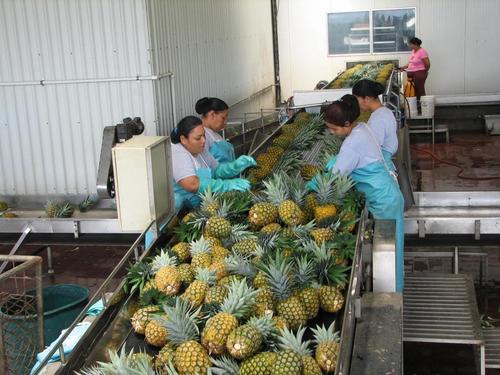
  • Sorting the Pineapples: Fresh and juicy pineapples are the most suitable choice for juice making. Look for the fruits that have tender flesh and little fibres. Eliminate the unripe, rotten fruits and select the ones having 80% or more maturity. For easy sorting, you can place the pineapples in an automated sorting machine.
  • Washing the Selected Fruits: In the pineapple juice processing stage, you cannot undermine the importance of washing. A brush and spray cleaning machine is the most suitable choice for cleaning the fruits properly. The machinery can help remove stains, impurities and pesticide residues efficiently.
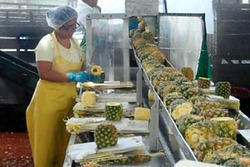
  • Peeling and Extraction: After fully cleaning the pineapples, place them in the peeling and extraction machine. In this process, the fruits are cut in half, and the peels and pulps are separated. The peeled pineapples are then transmitted to a spiral juice extractor. To make the most use of the juice, you can add water to the fruit residue for a secondary squeeze.
  • Juice Packaging: Once you bring out all the juice from the fruit, it’s time for packaging. Remove all the suspended solids, fibres and colloidal particles first. Then, put the juice inside a vacuum degasser to remove the air bubbles. The next stage consists of cooling and sterilisation, which completes the juice packaging process.

To source fresh pineapple juice in bulk, it is important to follow these steps. Purchase a high-quality, functional pineapple processing plant for a smooth flow of the process. You can be assured of an easier juice extraction process that does not alter the fruit’s original nutritional values.

Ginger Processing Demystified: A Comprehensive Overview

Ginger has a unique flavour and offers several health benefits. It has become a staple in kitchens. This item undergoes several steps in a ginger processing plant. But most of us aren’t aware of these phases that transform raw ginger into our preferred spice.

What are the Steps in Ginger Processing?

Ginger Processing Machine

The steps in ginger refinement are listed below:

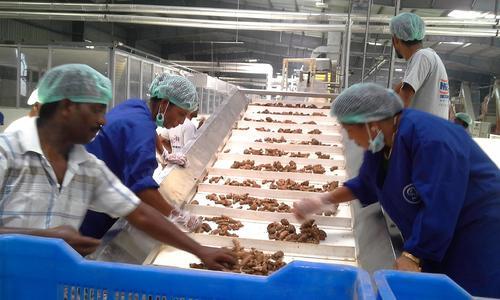
  • Harvesting and selection: The ginger treatment journey starts in the fields. The farmers harvest the roots, and they evaluate the roots for quality. The finest ginger makes its entry into the processing facility. It ensures that the consumer receives a product of good quality.
  • Cleaning and washing: When the roots arrive at the facility, the professionals remove debris, soil, or outer cling from these roots. Generally, the experts use rotating brushes and high-pressure water jets to perform the task. It guarantees that the ginger is pristine and ready for further steps.
  • Peeling: The ginger goes through a peeling process after cleaning. This step separates the outer layer while exposing the aromatic flesh. Professionals apply various methods, such as mechanical peeling or steam peeling, to remove the skin and minimise waste.
  • Slicing: The ginger takes different forms as per the end product requirements. This phase is necessary for determining the appearance and final texture of the processed ginger.
  • Blanching: The main purpose of blanching is to preserve the ginger’s natural flavour, colour, and nutritional value. This step involves immersing the ginger in hot water, accompanied by rapid cooling. Blanching deactivates enzymes that lead to loss of flavour and discolouration.
  • Drying: It is the most critical step in ginger processing. Drying obstructs the growth of microorganisms and removes moisture. The professionals can air dry the ginger or use certain accessories to accomplish the process. It results in a concentrated form of ginger perfect for distribution and packaging.
  • Packaging and quality control: The final processed ginger undergoes rigorous quality control measures. It guarantees consistency and adherence to industry standards. The professionals pack the ginger in various forms after the quality test.

Ranging from the fields to high-end treatment facilities, it’s important to appreciate the intricate journey of ginger. Every step in ginger processing contributes to the creation of a culinary masterpiece.

Are you looking for a high-quality ginger processing plant to address your industrial needs? If you feel so, GEM Foodtech will be your ultimate destination.

Quality Control in Mango Processing: Why Is It Important?

When you have a mango processing plant, you have to undertake quality control measures. By embracing adequate quality control measures, you ensure the mangoes adhere to food safety measures and cater to customer satisfaction. With these tactics, you safeguard the distinctive freshness and taste of mangoes. Nowadays, quality control for mangoes as stakeholders focuses on revenue maximisation while minimising waste at the same time.

Common Mango Issues in Quality Management

Given below are the common mango defects that impact mango quality across the supply chain:

  1. Pests like fruit flies and hoppers
  2. Mango mealybugs
  3. Powdery mildew
  4. Mango Malformation Disease (MMD)
  5. Mango scab
  6. Bacterial black spot
  7. Internal necrosis

What are the Quality Assessment Attributes for Mangoes?

Quality control for mangoes encompasses multiple internal and external attributes, as listed below:

  1. Internal colour
  2. Firmness
  3. Shape and size
  4. Brix degree (sugar content)

What’s the Significance of Quality Control in Mango Processing?

There are multiple elements that justify the quality control approach in mango processing. Let’s have a look:

  • Food Safety: By undertaking strong quality control measures, you ensure the mangoes are free of all kinds of contaminants and comply with food safety regulations. Also, processed mangoes have a unique flavour that addresses the preferences of customers.
  • Enhanced Product Quality: When you implement quality control measures in mango processing, you can be assured that the mangoes will meet the desired quality standards. These mangoes will have a unique flavour and taste. Hence, customers can expect a delightful taste, whether it’s mango beverages or canned mango slices.
  • Minimises Wastage: With quality control measures, you can identify the inconsistencies in the mango processing stage. If you address these problems quickly, you can hope for optimum yield from each batch. It promotes sustainable practices and reduces economic losses.
  • Increased Customer Satisfaction: Processed mangoes are of good quality and lead to higher customer satisfaction. By delivering top-notch mango products, your mango processing plant will gain reputation, and it will help to fortify your brand.

Are you searching for a reputed plant that has an excellent mango pulps processing line? If you feel so, GEM Foodtech will be your ultimate destination. Our professionals possess years of experience in mango processing and have in-depth knowledge of the relevant techniques. So, what are you thinking about? Connect with Us!

The Ultimate Guide to Mango Pulp Processing: Everything You Need to Know

Mango pulp is a smooth substance manufactured by breaking up the fibrous sections of ripe mangoes. The mango pulp retains all the sweetness along with the nutrients in the fresh fruit. Mango pulp is made from ripe mangoes after sorting. A mango pulps processing line serves this purpose. This equipment simplifies the pulp extraction process.

What is Mango Pulp Processing?

Mango pulp processing creates various products like mango pulp, dried mango, and mango juice. Mango pulping is the most effective method for high nutrition retention, high yield, and a simple process. The mango pulp making machine executes the mango pulping process precisely.

Steps Involved in Mango Pulp Processing

Mango pulp processing involves the following steps:

  • Raw material treatment: In this method, a fruit sorting mechanism separates qualified, superior, and defective mangoes. When it comes to making mango pulp, the acid content must be around 1%.
  • Mango peeling: Before mango pulping, the removal of the peel is a must. The blend of mango core and peel will affect the taste of mango pulp.
  • Mango pulping: The mango pulping machine processes the mangoes into fluid form. This machine comes with an enclosed structure to combat mango pulp oxidation.
  • Mango pulp precook: The crude mango pulp requires heating to soften the content. It will also promote the taste of the mango pulp. However, before heating the mango pulp, make sure to clean the tools. When you pour the mango pulp into the bottle or container, stir it so that the pectin leaks out entirely.
  • Batching: Thereafter, the professionals add the mango pulp with a certain proportion of batches. The calculation of the amount of acid and fruit pectin is dependent on the raw materials. If the volume of pectin is low, it will increase the acid content.
  • Concentration: This step aims to eliminate the water content in mango pulp by heating the mango pulp. The objective of sweetening concentration is to improve the pulp flavour and texture.
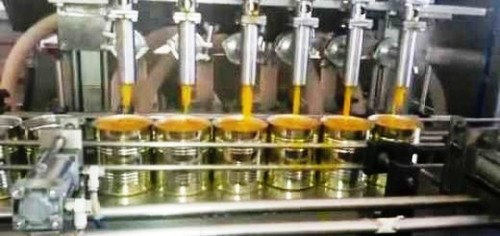
  • Filling sterilisation and cooling: The concentrated mango pulp is filled into cans. While filling the container, make sure it is clean, sterilised, and free of moisture.

Are you looking for a highly functional mango pulp processing line? If you feel so, Gem Foodtech has the machinery to address your particular needs. Reach out to our professionals and state your requirements. We will design and manufacture a mango pulp machine that facilitates your industrial processes at large.

The Method of Preparing Tomato Paste using Tomato Processing Plant

The main two tomato processed products are Tomato puree and tomato paste. These two primary tomato-processed products pave the way for all the secondary tomato-based products. The ketchup industry is the primary consumer of tomato puree and paste. Moreover, the food and beverage industry also comprises the other major consumers of tomato paste and puree. 

In this blog, we will examine how tomato paste is processed in a tomato processing plant.

Processing Varieties of Tomato in Tomato Paste

The foremost varieties of tomatoes preferred for paste are Abhinav and Namdari. These two make up 90% of the processing. However, there are other varieties like Rashmi, Vaishali, and Rupali. The southern varieties are usually preferred for processing purposes.

Buy Premium Quality Tomato Processing Machinery.

The Method of Processing Tomato Paste

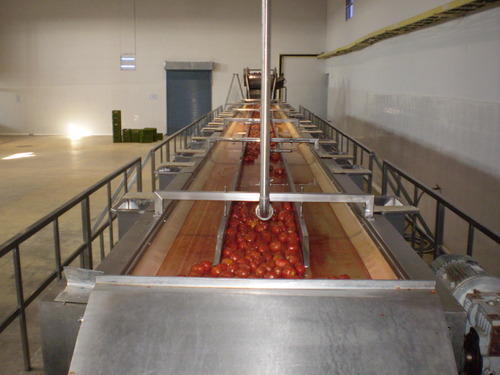
The best assortment of tomatoes is picked for the processing method. To this end, the ripened tomatoes are collected in a factory and rigorous quality control is conducted. The fruits are sorted, and the injured or spoiled fruits are separated from the fresh bunch. The fresh fruits are then collected and filled in crates. The process begins with washing tomatoes with chlorinated water at 5-10 ppm. Afterwards, they wash with plain water to minutely remove dust particles. 

The tomatoes are crushed into pulp and collected in a storage tank in the next stage. Heat is applied at 85-95 degrees Celcius to the puree as it is further refined to remove seed/tomato waste. The product is made to pass through an evaporator to purge the water content. However, there might be a small remainder of impurities in the paste. Hence, the paste is then passed through a strainer and metal detector to purge any impurities further. The final product is collected in an aseptic bag and stored in drums in the warehouse. 

Thanks to globalization, the demand for ready-made foods is increasing by leaps and bounds. This surge of demand is also reflected in tomato-processed products. We can safely assume a tomato processing plant will garner attractive revenues in the coming years. So to gear up with quality tomato processing machineries, don’t hesitate to reach out to the Gem Drytech System LLP.